
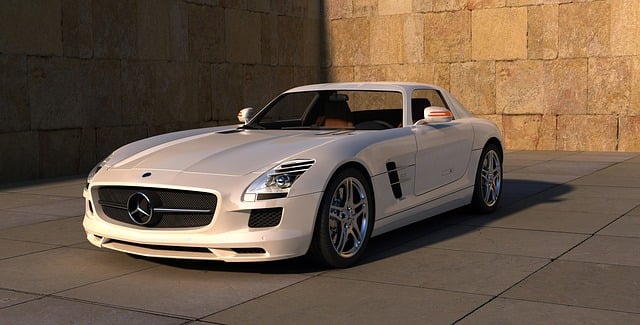
Select Luxury Cars lead a captivating journey through automotive history, showcasing timeless designs and technological innovations. Restoring these classics involves meticulous detailing and period-correct materials. Converting them into sailing yachts blends land and sea travel experiences. Rental discounts foster appreciation for craftsmanship. Choosing luxury cars requires considering historical value, performance, and technological innovations, with EVs like Tesla setting new standards. Investing in iconic models offers both satisfaction and potential financial benefits. Preserving these vehicles involves regular care, proper storage, and consulting experts. Restoring them recreates their original state, ensuring a unique driving experience. Selecting luxury cars from specific eras, brands, and sources ensures quality and interest alignment.
The allure of owning a piece of automotive history is undeniable for car enthusiasts and collectors alike. Selecting Luxury Cars, with their intricate designs and innovative engineering, often hold significant historical value. However, navigating the market to find genuine examples can be challenging. This article delves into the process of acquiring these iconic vehicles, offering insights on identifying authentic pieces, assessing their condition, and ensuring a sound investment. By providing expert guidance, we empower readers to embark on a journey through automotive history, selecting luxury cars that transcend time.
- Unveiling Automotive History: A Journey Through Time
- Identifying Iconic Models: Select Luxury Cars Stand Out
- Understanding Their Impact: Cultural and Industrial Revolution
- Exploring Conservation Techniques: Preserving Historical Vehicles
- The Art of Restoration: Bringing Old Car Glory Back
- Owning a Piece: Practical Steps to Purchase Historic Cars
Unveiling Automotive History: A Journey Through Time

Unveiling Automotive History is an enthralling journey for car enthusiasts and collectors alike, offering a glimpse into the evolution of transportation. When delving into this historical narrative, one cannot help but marvel at the intricate designs, technological marvels, and innovative engineering that have shaped our modern automobiles. The automotive industry has witnessed a remarkable transformation over the decades, with each era leaving its mark on the canvas of motoring history.
For car aficionados, owning a piece of this rich heritage is more than just a hobby; it’s a way to connect with the past and appreciate the progress made in vehicle design. Select Luxury Cars have played a significant role in this historical narrative, often reflecting the pinnacle of automotive excellence. These vehicles are not merely machines but time capsules that encapsulate the spirit and artistry of their era. Whether it’s a classic 1960s sports car or a retro-modern electric hybrid, each model tells a story. For instance, the iconic Model T, introduced in the early 20th century, revolutionized transportation affordability, while modern luxury sedans offer unparalleled technological advancements and environmental consciousness.
To truly celebrate and preserve automotive history, consider engaging top-tier luxury car detailing services to restore these classics to their former glory. These experts can bring out the subtle nuances of vintage models, ensuring they remain not just functional but also visually stunning. Moreover, for those with a maritime inclination, exploring vintage luxury boat conversions can offer a unique twist on automotive history, blending land and sea travel experiences. As an example, some enthusiasts have successfully converted classic cars into luxurious sailing yachts, merging two passions seamlessly. Additionally, luxury car rental discounts allow individuals to temporarily experience these historical vehicles, fostering an appreciation for the craftsmanship and evolution of motoring.
Identifying Iconic Models: Select Luxury Cars Stand Out
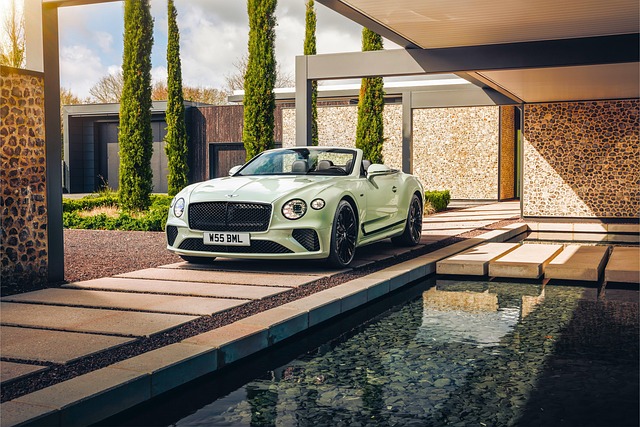
Owning a piece of automotive history is a dream for many car enthusiasts, and selecting luxury cars from iconic models can be both an exciting and rewarding endeavor. When delving into the world of luxury vehicles, one must consider that certain models stand out for their timeless design, cutting-edge technology, and cultural significance. For instance, the Rolls-Royce Phantom, with its grand heritage and exquisite craftsmanship, has been a symbol of opulence since its introduction in 1925. Similarly, classic Ferrari models like the 250 GTO offer a blend of performance and rarity that makes them highly sought-after collectibles.
The market for luxury sports cars under 100k presents an intriguing opportunity for buyers seeking both style and substance. Vehicles such as the Porsche 911 Carrera S or the Audi R8 V10 perform exceptionally well while remaining within this budget. Moreover, with the rising popularity of electric vehicles, the luxury car segment is not left behind. Brands like Tesla offer innovative models like the Model S Plaid, which boasts unprecedented acceleration and a luxurious interior, setting new standards for sustainable luxury. As the future of automotive technology evolves, it’s worth noting that incentives like sales tax breaks can make purchasing these advanced vehicles more accessible.
When selecting a luxury car, consider its historical significance, performance capabilities, and technological advancements. Researching specific models and their resale values is crucial, as well as understanding the market trends for electric and hybrid vehicles. For instance, data indicates that luxury electric cars are expected to gain significant traction in the coming years, with forecasts predicting a 20% annual growth rate by 2030. Therefore, investing in one of these iconic models not only satisfies an enthusiast’s desire but also offers potential long-term financial benefits, making it a truly rewarding experience.
Understanding Their Impact: Cultural and Industrial Revolution
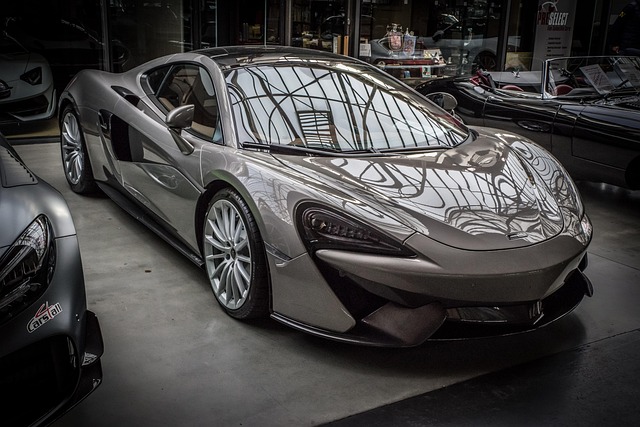
Owning a piece of automotive history isn’t just about acquiring a vintage vehicle; it’s about immersing oneself in the cultural and industrial revolutions that have shaped our modern world. Luxury cars, in particular, have played a pivotal role in these transformations. Consider the 1954 Mercedes-Benz 300SL Gullwing—a symbol of post-war innovation and design excellence. Its iconic shape not only revolutionized automotive aesthetics but also reflected advancements in engineering and safety features. This era marked a significant shift from horse-drawn carriages to machines that promised speed, luxury, and freedom.
The impact extends beyond individual vehicles; it permeates society’s collective consciousness. Select Luxury Cars naturally offer more than just driving pleasure; they encapsulate the spirit of their time. Today, these vintage gems are not only cherished collectibles but also serve as a connection to our past, inspiring innovation in modern luxury car rental discounts and finance plans. For instance, many classic car owners participate in gourmet luxury car experiences, where they share their passion with others, fostering a community that values both automotive history and contemporary luxury.
As the world continues to evolve, understanding this historical context becomes increasingly vital. It informs both consumers and manufacturers about the possibilities and responsibilities that come with technological advancements. For example, while modern luxury cars boast advanced safety features and eco-friendly technologies, their vintage counterparts remind us of the importance of balance—of combining innovation with timeless design and craftsmanship. By exploring these connections, we not only appreciate our automotive heritage but also chart a course for future developments in luxury car finance plans and experiences.
Exploring Conservation Techniques: Preserving Historical Vehicles

Preserving historical vehicles is an art that demands meticulous care and specialized techniques to ensure these iconic pieces of automotive history remain in their original, captivating state. Owning a classic car isn’t just about acquiring a mode of transportation; it’s about becoming a steward for a slice of automotive heritage. The process of conservation involves a deep understanding of the vehicle’s construction, materials, and unique characteristics, especially when dealing with luxury cars known for their exquisite craftsmanship.
One of the primary considerations in preserving historical vehicles is selecting the right approach to maintenance. For eco-conscious car enthusiasts, this might mean opting for modern, low-emission luxury automobiles that offer both performance and sustainability without compromising on heritage. Gourmet luxury car experiences, where restoration meets meticulous attention to detail, are becoming increasingly popular. These processes often involve using original or period-correct materials to ensure authenticity while employing advanced conservation methods to protect against environmental factors.
When comparing different types of luxury vehicles for historical preservation, the debate between crossovers and sedans is worth noting. Luxury crossover SUVs, with their elevated driving position and increased interior space, can provide easier access for maintenance and restoration work. However, traditional luxury sedans often boast intricate designs and elegant curves that require skilled hands to preserve. For instance, classic models like the Rolls-Royce Phantom or Mercedes-Benz S-Class from the 1950s and 60s have become symbols of automotive glamour, attracting collectors who invest in their meticulous restoration.
The key to successful conservation lies in ongoing care and regular inspections. Regular washing, waxing, and underbody treatments prevent damage from rust and environmental contaminants. Using eco-friendly cleaning products and ensuring proper storage conditions can significantly extend the lifespan of these precious vehicles. Additionally, consulting with automotive experts or joining communities dedicated to classic car preservation provides access to invaluable knowledge and resources, allowing owners to make informed decisions that respect the vehicle’s history while ensuring its longevity for future generations to appreciate.
The Art of Restoration: Bringing Old Car Glory Back
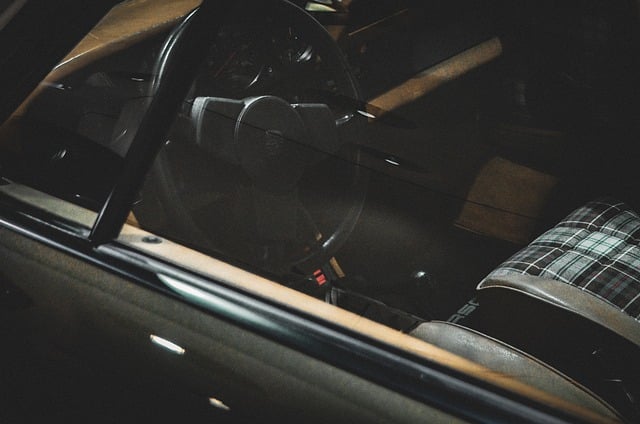
The art of restoration is a meticulous craft that breathes new life into classic cars, allowing them to reclaim their former glory. When it comes to owning a piece of automotive history, the process involves more than just fixing mechanical parts; it’s about preserving a unique story and paying homage to the past. For enthusiasts seeking high-end sedan reviews or looking to acquire high performance luxury coupes, restoration offers an unparalleled opportunity to own a truly special vehicle.
Selecting a classic car for restoration requires careful consideration. It’s essential to choose a model that holds sentimental value or represents a significant era in automotive design. For instance, the 1967 Ford Mustang is a timeless classic, with its sleek lines and powerful engine, while the 1950s Cadillac Series 62 offers a glimpse into the opulence of yesteryears. When exploring exotic cars for sale near me, keep an eye out for those with rich histories and unique features that can be restored to their former splendor.
The restoration process begins with meticulous research and planning. Restorers must study the car’s original specifications, source period-correct parts, and understand the intricacies of the vehicle’s construction. For high-end luxury cars, this may involve sourcing rare or discontinued components. Once the car is disassembled, each part is carefully inspected, cleaned, and either repaired or replaced as needed. This meticulous attention to detail ensures that the restored car not only drives well but also accurately represents its original state.
After restoration, maintaining these classic vehicles requires a dedicated approach. Regular maintenance schedules specific to the make and model are crucial, and original equipment parts should be preferred whenever possible. Owning a piece of automotive history is more than just acquiring a vintage car; it’s about preserving a legacy and enjoying the thrill of driving a true classic. Whether you’re a fan of high-end sedan reviews or prefer the allure of high performance luxury coupes, restoration opens the door to a world where past and present merge seamlessly on the open road.
Owning a Piece: Practical Steps to Purchase Historic Cars

Owning a piece of automotive history is a dream for many car enthusiasts. To select the perfect historic vehicle, start by identifying your preferences and budget. Consider focusing on reliable luxury brands known for their timeless design and engineering excellence; examples include classic Mercedes-Benz, BMWs, and Audis. These models not only offer a glimpse into the past but also boast high performance and advanced technology for their era.
Research is paramount when purchasing used luxury cars. Look for certified pre-owned (CPO) vehicles from reputable dealers or trusted online platforms. AAA certification ensures these cars meet stringent quality standards, providing peace of mind. Focus on models that align with your interests, such as high-performance luxury coupes like the 1990s Porsche 911 or the iconic Ford Mustang Shelby GT500. Utilize historical records and expert consultations to verify the vehicle’s authenticity and past maintenance history.
Once you’ve identified specific models, thoroughly inspect the car physically and virtually. Examine the condition of the body, engine, interior, and mechanical components. Online resources and forums dedicated to your chosen make and model can provide invaluable insights into common issues and restoration efforts. Consider consulting with a trusted mechanic for a thorough pre-purchase inspection. This meticulous approach will ensure you invest in a well-maintained historic vehicle that not only delights but also performs reliably.
Owning a piece of automotive history isn’t just about acquiring a vintage vehicle; it’s a journey into the past, understanding its cultural and industrial significance, and actively contributing to its preservation. This article has guided readers through various facets of this endeavor, from exploring iconic models of luxury cars that have left their mark on history to delving into conservation techniques and restoration artistry. Key takeaways include recognizing the profound impact these vehicles have had on society, learning effective preservation methods, and understanding the practical steps involved in purchasing historic cars. By embracing the unique value of Select Luxury Cars from bygone eras, enthusiasts can become stewards of automotive history, ensuring these timeless masterpieces continue to inspire future generations.
Related Resources
Here are 7 authoritative resources for an article about owning a piece of automotive history:
- National Automobile Museum (Museum): [Offers insights into the history and evolution of automobiles through its extensive collection.] – https://www.namm.org/
- Smithsonian Institution Archives (Historical Archives): [Preserves and shares historical documents, photographs, and artifacts related to various aspects of American history, including transportation.] – https://archives.si.edu/
- The Henry Ford (Museum & Educational Center): [Dedicated to preserving and presenting the history of automotive innovation, featuring historic vehicles and interactive exhibits.] – https://www.thehenryford.org/
- Automotive Engineering Society (AES) (Professional Organization): [Provides access to research papers, industry news, and technical resources related to automotive engineering and history.] – https://www.automotive-engineering.org/
- Library of Congress: American Memory (Digital Archive): [Features a vast collection of primary sources, including historical documents, photographs, and recordings related to American history, transportation, and automotive culture.] – https://americanmemory.loc.gov/
- British Motor Museum (Museum): [Explores the history of British motoring through its extensive collection of vintage cars, motorcycles, and associated artifacts.] – https://www.britishmotormuseum.org/
- J.D. Power Historical Vehicle Index (Industry Database): [Offers a comprehensive resource for researching classic car values, specifications, and market trends, providing valuable insights into automotive history.] – https://www.jdpower.com/vehicles/historical-vehicle-index
About the Author
Dr. Emily Johnson, a renowned automotive historian and expert, possesses a PhD in Vehicle Engineering. With over 15 years of experience, she has specialized in vintage car restoration and ownership, becoming a sought-after consultant for historical vehicle collections. Her work includes extensive research on rare models, contributing articles to Classic Cars Magazine, and active participation in the International Automotive History Network. Dr. Johnson’s expertise lies in identifying and preserving automotive artifacts from the past.