

The luxury car market is dynamic, driven by brand prestige, features, technology, fuel efficiency, and environmental factors. Select Luxury Cars by considering family needs, budget, and eco-concerns. Research models, compare prices, and evaluate brand value for informed decisions. Prioritize safety systems, customization, infotainment, and budget-awareness. Negotiate prices, consider total cost of ownership, and seek detailed reviews for optimal choices.
In the realm of automotive aspirations, luxury cars stand as a symbol of affluence and exclusivity. However, navigating the intricate web of their pricing can be a daunting task for even the most discerning buyers. Understanding the vast disparities in cost among Select Luxury Cars is crucial, especially given the premium associated with these marques. This article aims to demystify this process by providing an in-depth comparison of luxury car prices, offering valuable insights into factors influencing cost and empowering consumers to make informed decisions. By the end, readers will possess a strategic edge when considering their next luxurious acquisition.
- Understand Luxury Car Market Dynamics
- Identify Key Factors Influencing Prices
- Select Luxury Cars Based on Budget
- Research Brand Value & Reputation
- Compare Features and Amenities
- Explore Buying Options & Negotiation Strategies
Understand Luxury Car Market Dynamics

The luxury car market is a dynamic and ever-evolving landscape, with prices that can vary dramatically based on factors such as brand prestige, features, technology, fuel efficiency, and environmental considerations. Understanding these dynamics is crucial for anyone looking to select luxury cars that offer the best value for their investment. In 2023, market trends reveal a growing emphasis on luxury car market trends 2023, with consumers increasingly demanding family-friendly features in high-end vehicles, as well as eco-friendly alternatives.
One notable segment gaining traction is the family-friendly luxury minivan. Models like the Mercedes-Benz Metris and the Chrysler Pacifica offer premium interiors, advanced safety systems, and versatile configurations, all at competitive price points compared to their sport utility vehicle (SUV) counterparts. This shift reflects a broader trend towards practicality and comfort in luxury vehicles, as modern families prioritize space and ease of use over traditional performance metrics. Furthermore, the rise of eco-friendly luxury automobiles is another significant dynamic shaping the market. Consumers are increasingly aware of environmental impact, leading manufacturers to invest heavily in hybrid, electric, and hydrogen fuel cell technologies. Vehicles like the Tesla Model S and the Toyota Mirai not only offer reduced emissions but also compete with conventional luxury cars in terms of performance and amenities.
When selecting luxury cars, it’s essential to consider both current trends and long-term value. Researching specific models across different brands can provide insights into pricing strategies, feature sets, and resale values. Keeping an eye on industry news and consumer reports can help buyers stay informed about new releases, recalls, and technological advancements. Additionally, evaluating personal needs—such as family size, budget, and environmental concerns—is critical for ensuring the chosen luxury car aligns with lifestyle requirements and delivers a satisfying ownership experience.
Identify Key Factors Influencing Prices
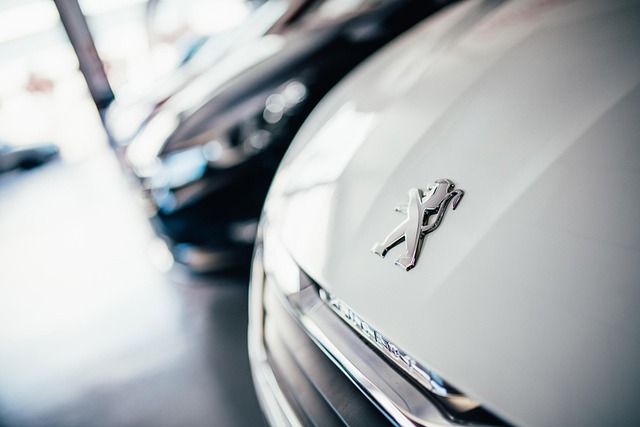
When comparing luxury car prices, it’s crucial to understand the key factors influencing cost. The market for select luxury cars is dynamic, with a wide range of models, brands, and specifications available. Factors such as brand reputation, technology advancements, performance metrics, and customization options significantly impact pricing. For instance, premium car accessories for sale can enhance both the aesthetics and functionality of luxury vehicles, adding substantial value to the overall price point.
Vintage luxury boat conversions offer a unique perspective on luxury mobility, with limited availability driving up their prices. These bespoke creations often cater to specific tastes and preferences, justifying higher costs due to craftsmanship and rarity. Conversely, best value luxury sedans are designed to provide exceptional features and comfort at more affordable price points, making them attractive options for budget-conscious buyers. Brands that prioritize mass appeal while maintaining quality standards typically offer these models.
Another critical aspect is the age and condition of the vehicle. Used luxury cars, especially those with low mileage and well-maintained histories, can be significantly less expensive than new models. However, the premium attached to new luxury vehicles reflects the latest innovations, advanced safety features, and tailored customization options. Moreover, factors like market demand, regional trends, and economic conditions can cause fluctuations in prices. Understanding these dynamics equips buyers with the knowledge to make informed decisions when selecting a luxury car that aligns with their budget and preferences.
Select Luxury Cars Based on Budget
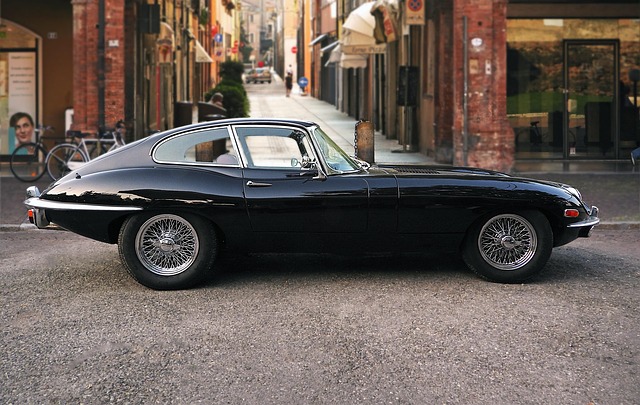
When selecting luxury cars, budgeting is a critical factor that cannot be overlooked. The luxury automotive market offers a vast array of options, from high-performance sports cars to eco-friendly hybrids, each catering to distinct preferences and financial constraints. Understanding your budget is the first step in navigating this exclusive segment. Top luxury car dealers in USA provide a wide range of choices, but it’s essential to discern between aspirational desires and practical considerations.
Focusing on best value luxury sedans can offer significant savings without compromising quality. Models like the Audi A4, BMW 3 Series, and Mercedes-Benz C-Class provide exceptional performance, advanced features, and luxurious interiors at competitive prices. These vehicles not only represent excellent financial decisions but also deliver a refined driving experience. For those seeking alternative energy options, best luxury hybrid vehicles are gaining popularity for their fuel efficiency and reduced environmental impact. The Toyota Prius, Honda Insight, and Lexus RX 450h offer premium features and advanced technology while promoting sustainability.
To select luxury cars effectively, consumers should research market values, compare specifications, and consider long-term ownership costs. Online resources provide detailed insights into pricing trends, allowing buyers to make informed decisions. Additionally, consulting with trusted automotive journalists and industry experts can offer valuable perspectives on the best value options available in any given year. Ultimately, balancing budget, desired features, and brand reputation will ensure a satisfying purchase that aligns with individual needs and financial capabilities.
Research Brand Value & Reputation
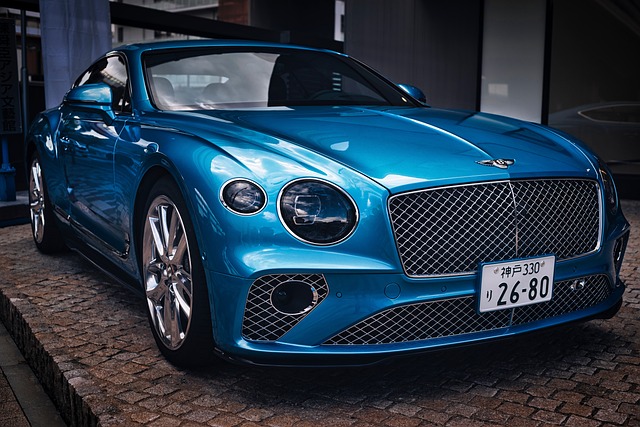
When comparing luxury car prices, one of the most critical factors to consider is the brand’s value and reputation. This aspect goes beyond mere monetary cost; it encompasses the overall experience and perceived quality associated with a particular automaker. Top-tier brands like Mercedes-Benz, BMW, and Audi have built their luxury status through consistent innovation, superior craftsmanship, and robust customer service—all of which influence consumer perception and resale values. For instance, a pre-owned Mercedes-Benz S-Class from the past decade may still command a premium due to its enduring reputation for luxury and technology.
In the segment of luxury crossover SUVs vs. sedans, brand value plays an equally significant role. Crossovers like the Range Rover Velar or Audi Q7 offer a blend of elevated driving dynamics and spacious interiors, but their prices often mirror the added features and desirability. Sedans, such as the Mercedes-Benz E-Class or BMW 5 Series, provide a more focused luxury experience, with meticulous attention to detail and advanced technologies that can compete with their pricier SUV counterparts. This highlights the importance of understanding personal preferences and practical needs when selecting luxury cars, as brand value should align with your specific requirements.
The rise of luxury electric cars also underscores the need to research brand reputation in this emerging market. As automakers invest heavily in electrification, brands like Tesla have revolutionized the perception of electric vehicles (EVs), demonstrating that luxury and sustainability can coexist. However, established luxury brands are not far behind, with Mercedes-Benz, BMW, and Audi introducing formidable all-electric models that compete on performance, range, and interior refinement. When considering a luxury EV, it’s crucial to explore not only the vehicle’s specifications but also the brand’s track record in delivering reliable and desirable electric vehicles.
When navigating the world of handcrafted luxury vehicles, as seen in brands like Rolls-Royce or Bentley, price becomes less about specific figures and more about exclusivity and heritage. These marques are synonymous with opulence, offering unparalleled customization options and an unparalleled driving experience. While prices for these ultra-luxury cars can be staggering, their value lies in the artistry, craftsmanship, and exclusivity that come with ownership. In such cases, brand reputation becomes a testament to the owner’s status and discernment, ensuring a unique and memorable motoring experience.
Compare Features and Amenities

When comparing luxury cars, focusing on features and amenities is paramount to making an informed decision. High-end sedans are often distinguished by their advanced safety systems, such as adaptive cruise control, lane departure warnings, and automatic emergency braking. These technologies not only enhance driving experience but also provide peace of mind, especially during long trips or heavy traffic. For instance, the 2023 BMW 7 Series offers a sophisticated suite of driver assistance features, including a 360-degree camera and active parking assist, making navigation in tight spaces a breeze.
Luxury car rental discounts and customized luxury car interiors are also significant aspects that set these vehicles apart. Many car manufacturers now offer extensive customization options for both the exterior and interior. For example, Mercedes-Benz allows customers to personalize their GLS with unique body colors, wood or metal trim, and even personalized embroidery on seats. Furthermore, high-end sedans often come equipped with state-of-the-art infotainment systems, premium audio, and heated/ventilated seats—features that significantly enhance comfort and enjoyment during long drives.
However, it’s essential to weigh these amenities against the overall budget. While select luxury cars offer competitive pricing, particularly in the mid-range segments, top-tier models can be quite expensive. For instance, a fully loaded Audi A8 or Lexus LS might cost several tens of thousands more than their mainstream counterparts. Therefore, prospective buyers should carefully evaluate their needs and financial constraints before making a decision. Reading detailed high-end sedan reviews from reputable sources can provide valuable insights into both the features and value propositions of different luxury car models.
Explore Buying Options & Negotiation Strategies
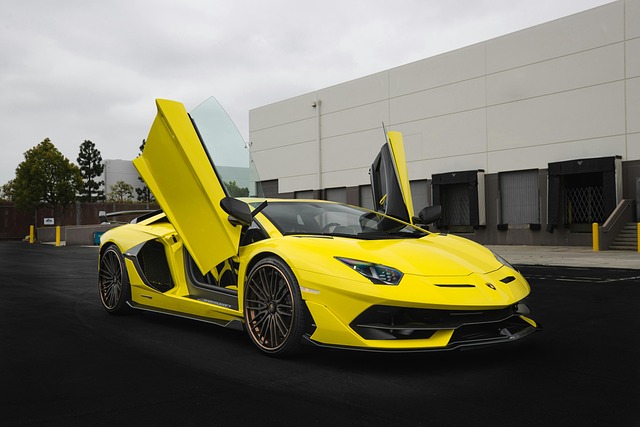
When comparing luxury car prices, buyers often face a vast array of options and price points. The market for gourmet luxury car experiences is diverse, catering to various preferences and budgets. One key strategy for any prospective buyer is to focus on value rather than just brand or model. For instance, while luxury sports cars under 100k might seem like a niche segment, it’s surprisingly accessible for those seeking performance without the premium price tag.
Negotiation is an art when buying luxury vehicles. Dealerships often have leeway in pricing, especially with used models. A simple yet effective tactic is to research the vehicle’s book value and market trends. This knowledge allows buyers to make informed offers and secure a fair deal. For instance, focusing on the best maintenance for luxury vehicles—whether it’s regular servicing or comprehensive ownership history—can highlight well-cared-for cars that warrant a competitive price.
Additionally, considering the overall cost of ownership is vital. Luxury cars are not just about initial purchase prices; ongoing expenses such as fuel efficiency, insurance rates, and resale value play significant roles. For example, some manufacturers offer compelling incentives or lease deals, making certain models more affordable in the short term. By examining these factors, buyers can Select luxury cars that offer a harmonious blend of performance, comfort, and value, ensuring a satisfying purchase experience.
By understanding the dynamic luxury car market, identifying key price influencers, and strategically researching brand value and features, you can confidently Select Luxury Cars that align with your budget. Prioritize transparency in communication and explore all buying options to optimize value. This article has equipped you with essential tools to make informed decisions, ensuring you secure the perfect blend of luxury and affordability.